

Design + Build
Garden Beds
Garden beds in Spokane are planted for zones 6b and 7a: cold snaps in winter, then hot, dry summers when, from June 1 to October 1, City of Spokane water customers may not water between 10 a.m. and 6 p.m. Drought-tolerant plants, deep mulch and drip irrigation handle both, and where new beds replace lawn on City water, the same choices can earn a SpokaneScape credit.
-
Category
-
Service AreaSpokane, Kootenai and Bonner Counties
-
ConsultationFree, on site
-
Start
| Service | Garden Beds |
|---|---|
| Category | Design + Build |
| Built by | Cross Creek Landscape Design + Build |
| Based in | Spokane, Washington |
| Project photos | 45 |
| Answered questions | 17 |
Garden Beds & Planting Design in Coeur d'Alene, Idaho
Hardscape gives a landscape its structure; planting gives it life, seasonality, and the sense that it belongs to the place. Plantings are also where corners get cut most often — nursery stock dropped into native soil with no amendment, no irrigation plan, and species chosen for how they looked at the garden centre in May. Cross Creek designs planting to still be working in year five.
What we design and install
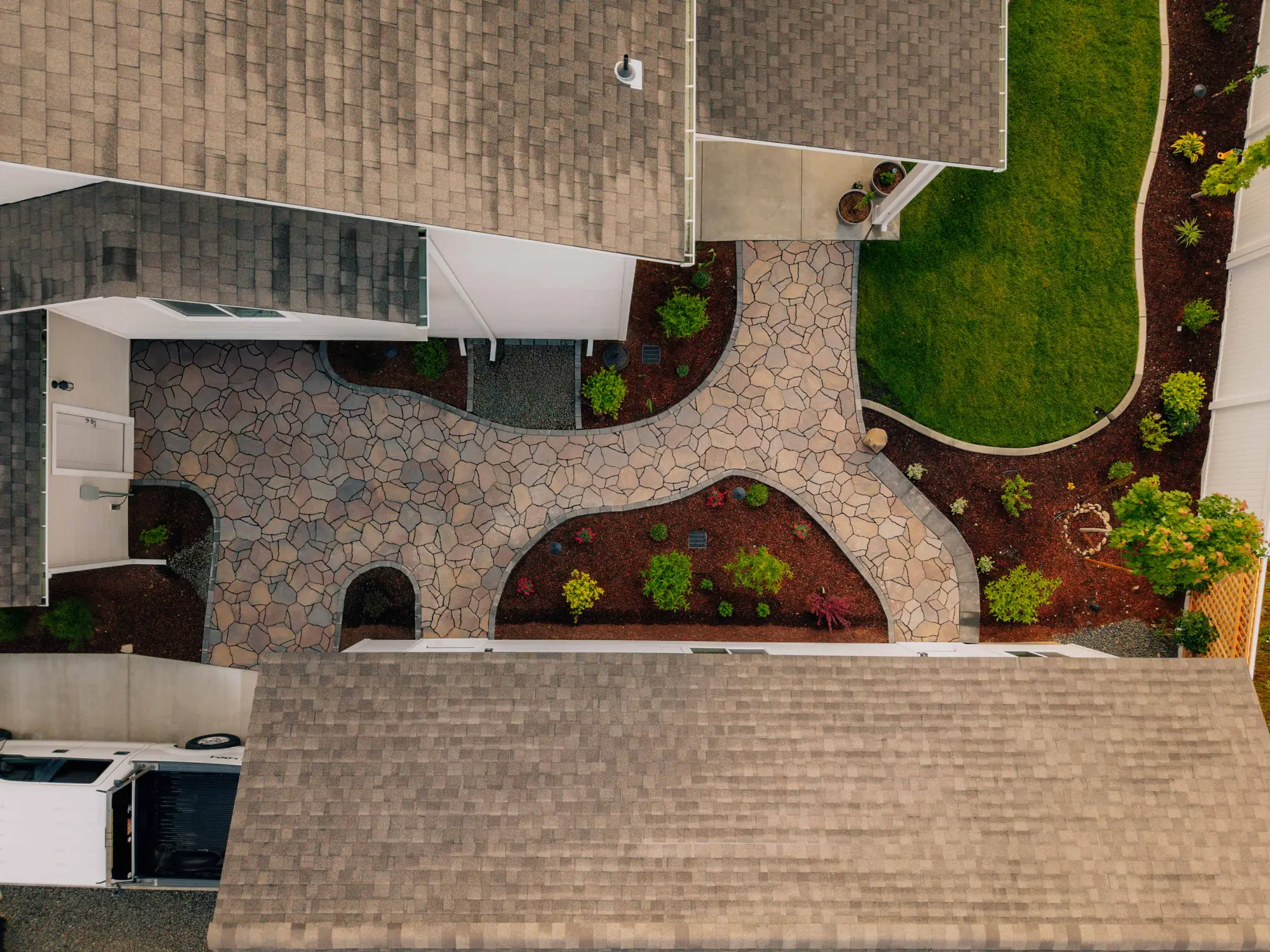
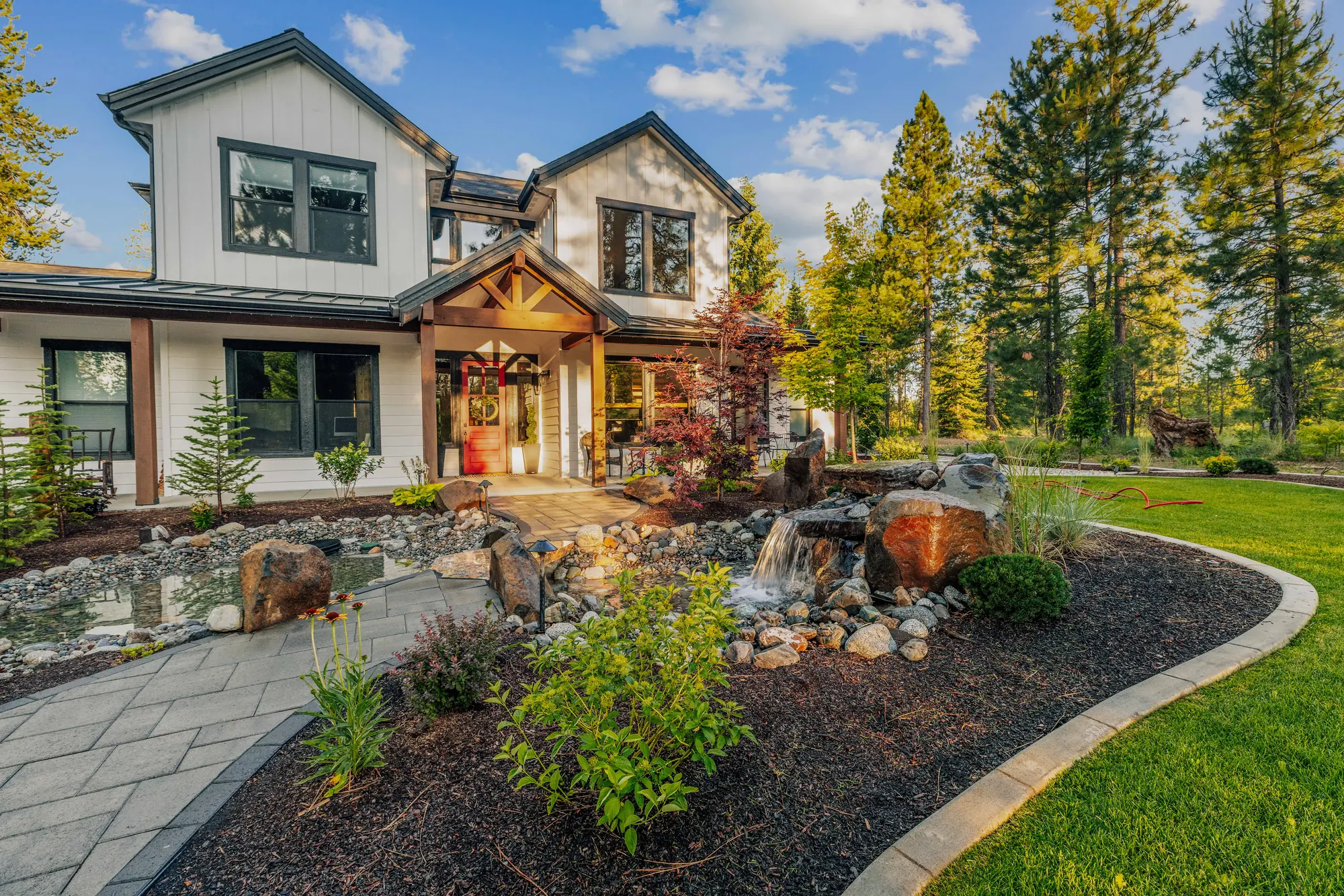
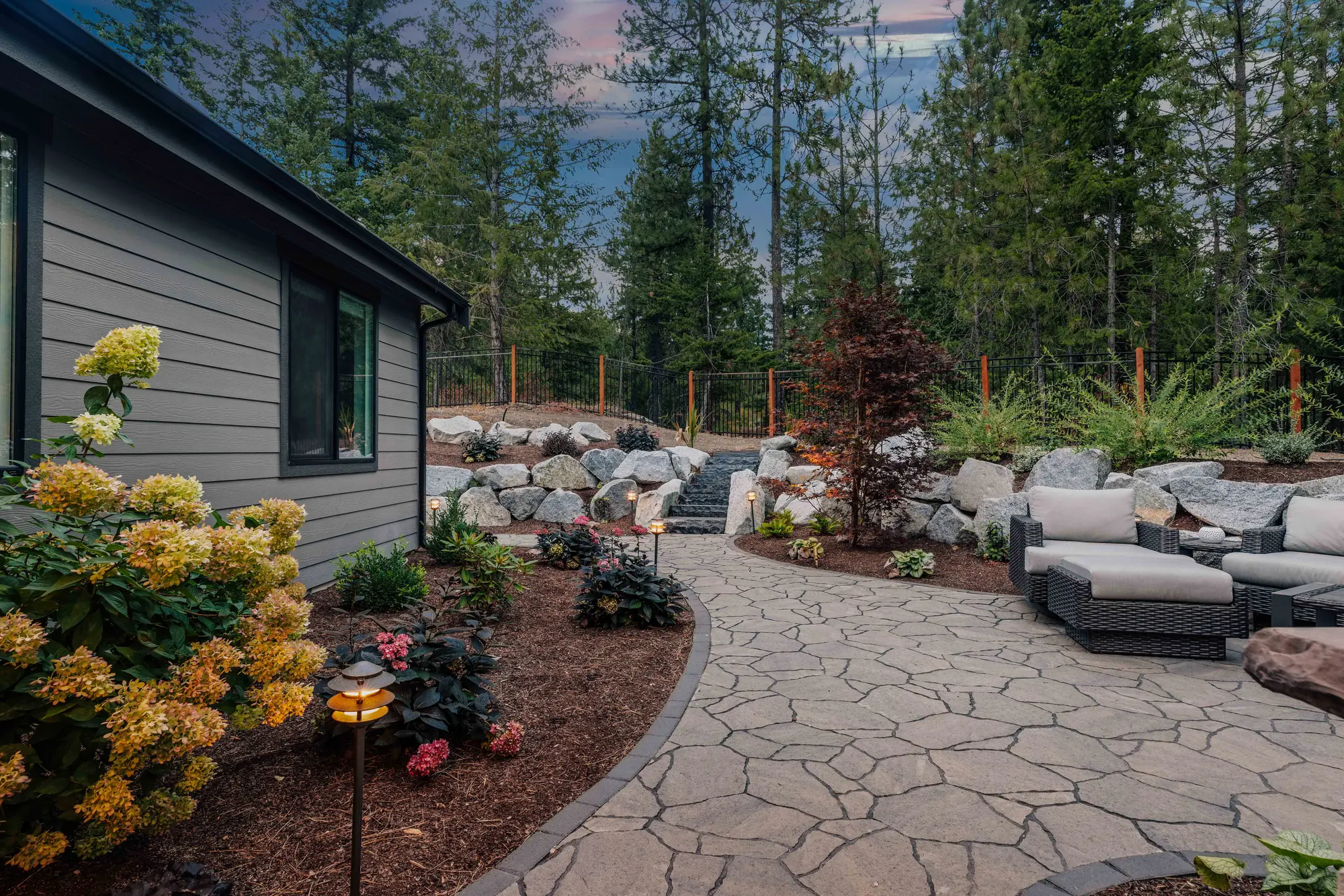
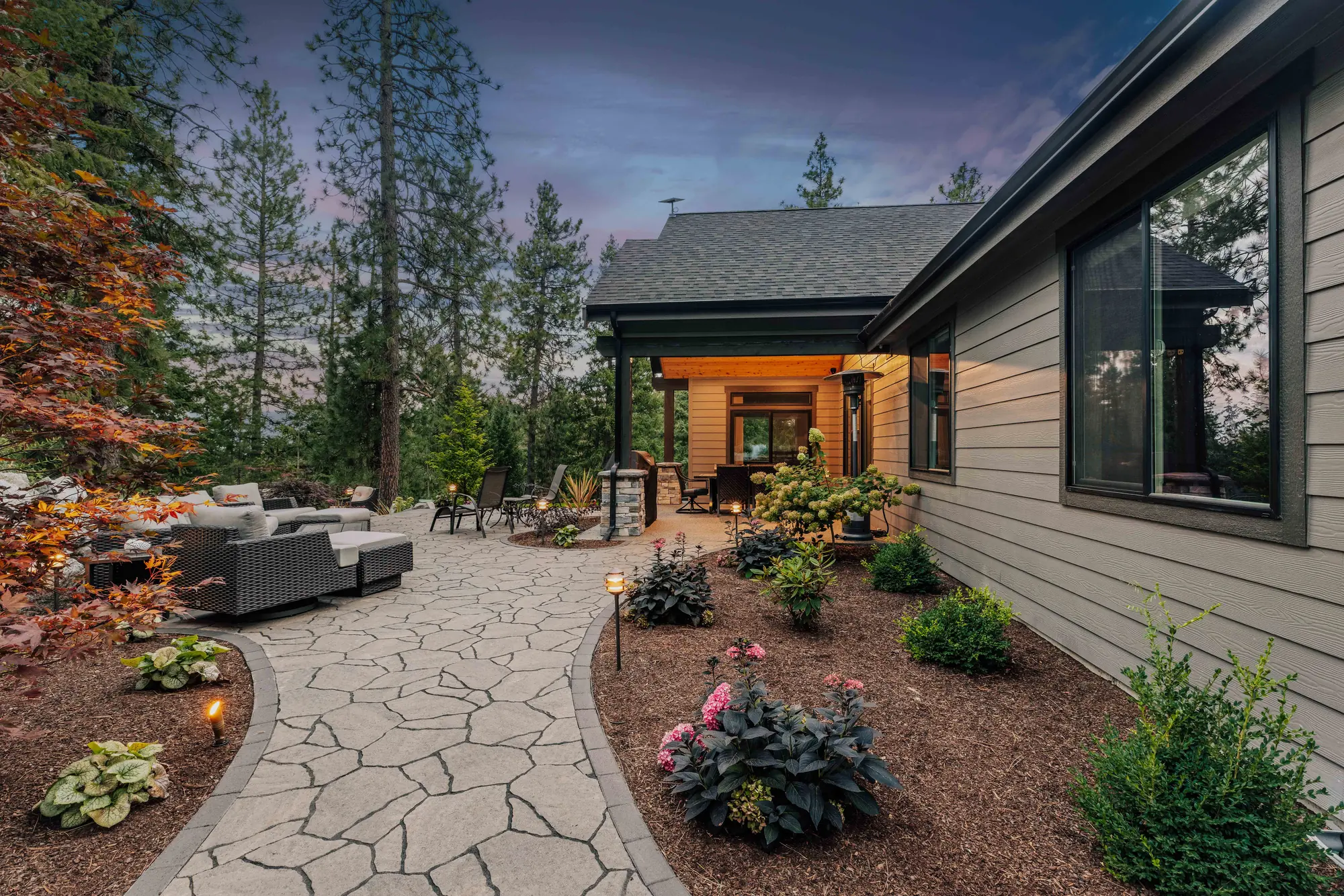
- Foundation and structural plantings that anchor the house to the site.
- Perennial beds and borders planned for succession so something is performing in every season.
- Ornamental trees and specimen placement for scale, screening, and shade.
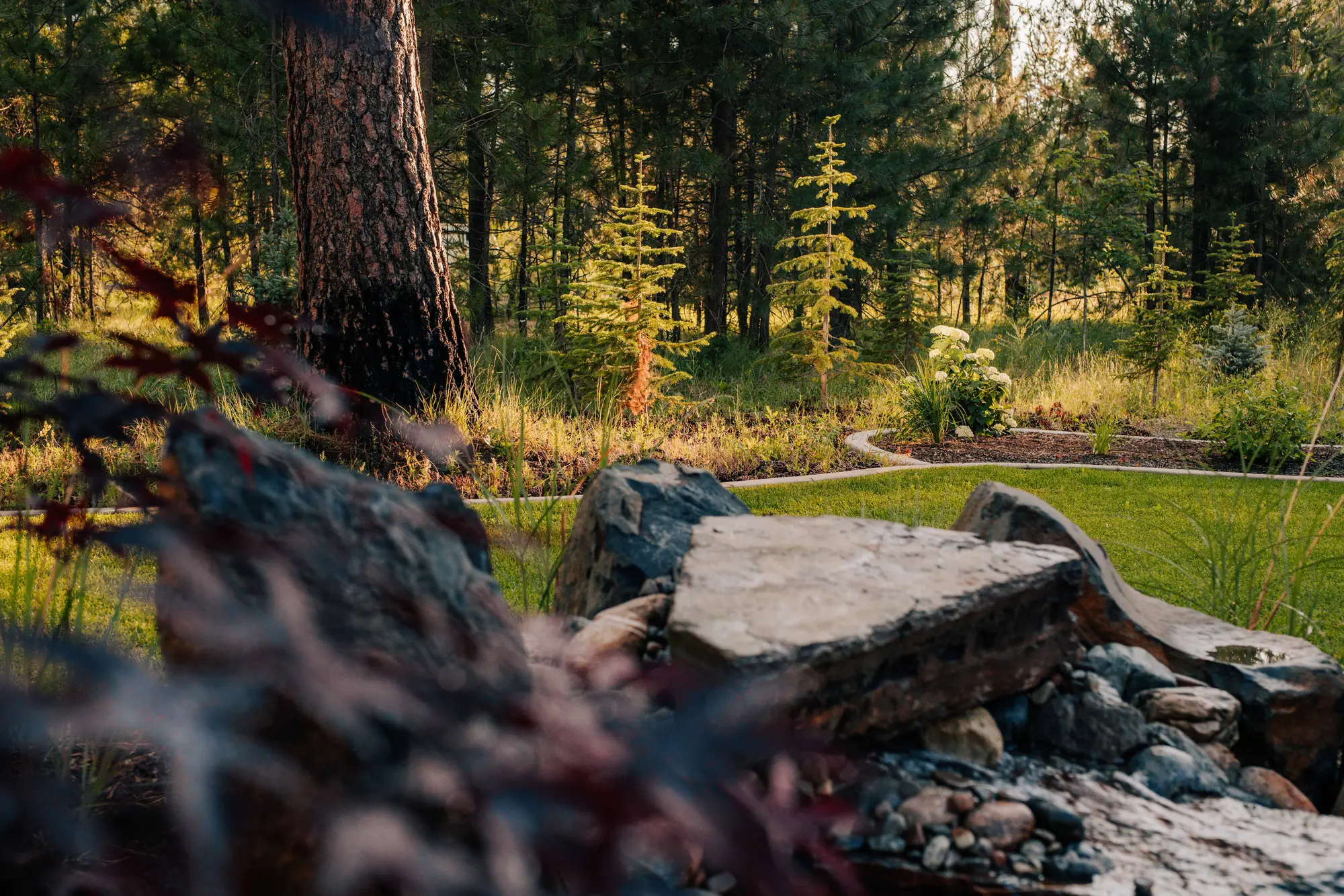
- Native and drought-adapted plantings suited to the Inland Northwest.
- Raised beds and kitchen gardens where food growing is part of the brief.
- Mulch, edging, and bed definition that keeps the design legible as it matures.
- Drip irrigation zoned separately from turf, because beds and lawns want completely different water.
Soil is the part that decides everything
Much of this region's residential soil is compacted, rocky, or was scraped and replaced during construction with whatever was cheapest. Planting into that and hoping is the single most common reason installations disappoint by year two. Real preparation means assessing what is actually there, amending with organic matter to depth rather than in the planting hole alone, addressing drainage where soil holds water, and breaking compaction so roots can move laterally. It is invisible work that determines whether plants establish or merely survive.
Choosing plants for this climate
North Idaho asks a lot of plants: genuinely cold winters, hot dry summers, a short growing season, and a freeze-thaw shoulder that is hard on marginal species. We design with hardiness as a first filter rather than an afterthought, then consider mature size honestly — the most common planting mistake is spacing for how plants look on installation day rather than in ten years. We also weigh deer pressure, which is real on many properties here, and wildfire-conscious plant selection and placement on wooded lots.
Irrigation belongs in the design
Beds and lawn have fundamentally different water needs, and putting them on the same zone guarantees one of them is wrong. Drip irrigation delivers water at the root zone with far less evaporation than spray, and it should be designed and installed with the planting rather than retrofitted through finished beds.
What drives the cost
Plant material size is the largest lever — mature specimens cost multiples of the same species in smaller stock, and sometimes that is worth it for immediate impact. Beyond that: total bed area, how much soil amendment and drainage work the site requires, irrigation scope, mulch and edging selection, site access for material delivery, and how much existing material has to be removed first.
Request a design consultation and we will design plantings that look intentional in year one and better in year five.

Local Know-How
Garden Beds
in Spokane
Watering within the City's rules
From June 1 to October 1, City of Spokane water customers may water outdoor plants no more than four days a week and never between 10 a.m. and 6 p.m. Drip zones on a timer set for early morning work within that, and the City can grant exemptions for newly planted landscapes while they establish. Any irrigation system on City water also needs a testable backflow assembly, tested every year by a state-certified tester.
Mulch, rock and the first five feet
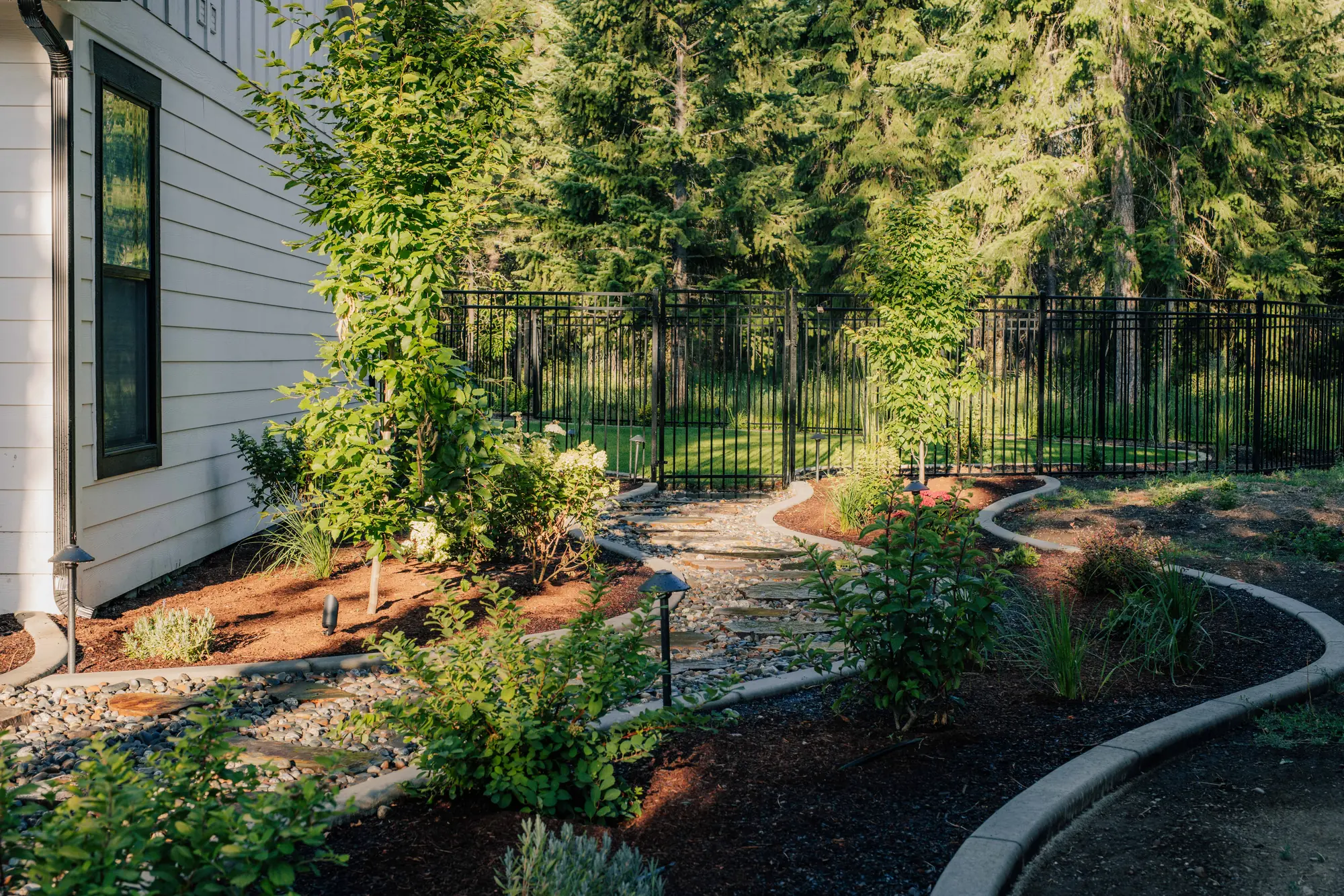
The City's SpokaneScape guide calls for four to six inches of mulch over bare soil and keeps gravel out of planted areas, where its fines feed weeds; gravel belongs in paths and patios. Within five feet of the house, the guide says the mulch should be rock, the same noncombustible strip NFPA's Firewise program asks for.
Feeding beds over the aquifer
Spokane's drinking water comes from the aquifer below, and the Spokane Aquifer Joint Board warns that overwatering carries fertilizer and other chemicals down through the soil into it, a particular problem over the permeable soils of Spokane Valley. Beds get compost worked in to hold water, slow-release organic fertilizer in small amounts, and drip instead of spray.
Our Work
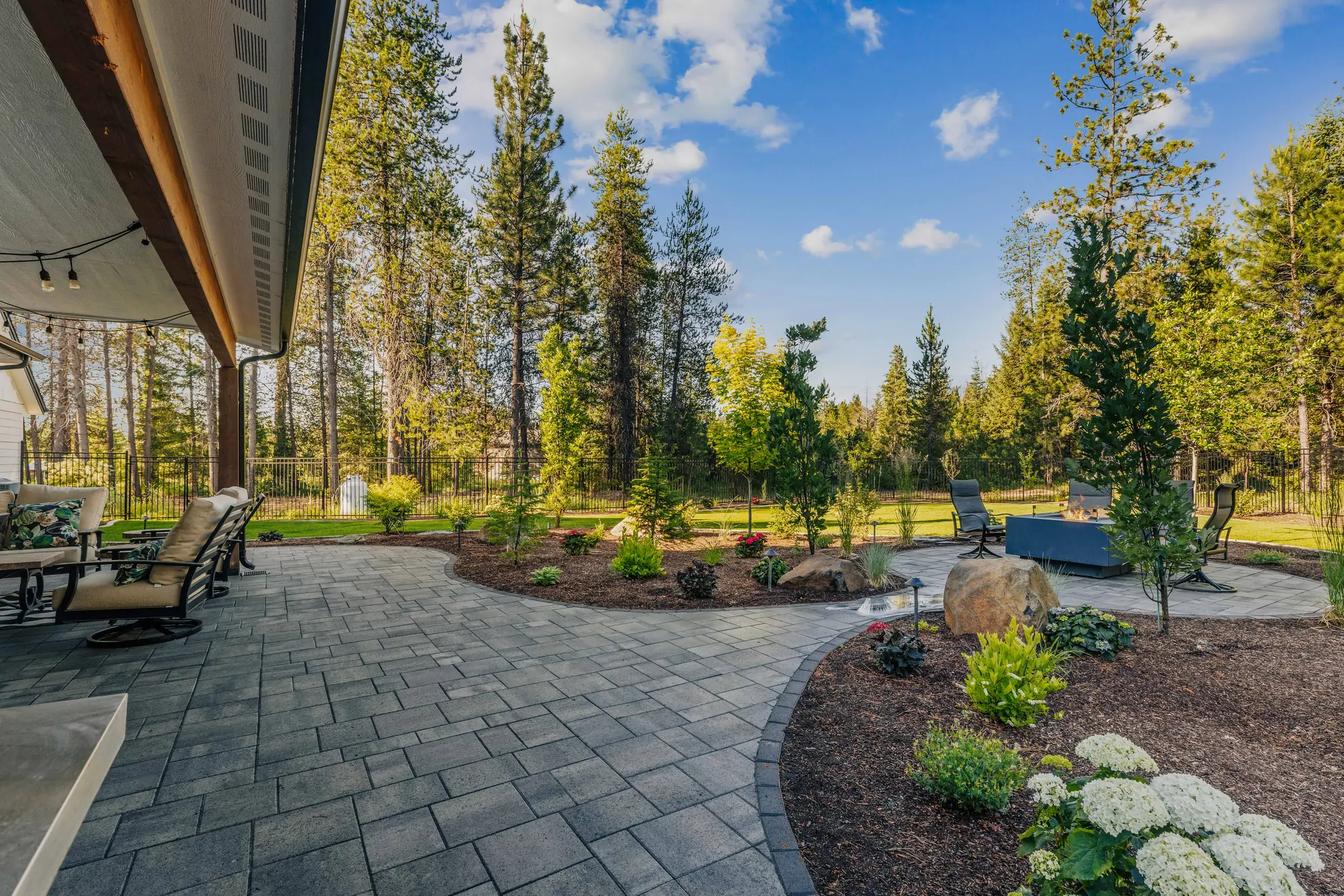
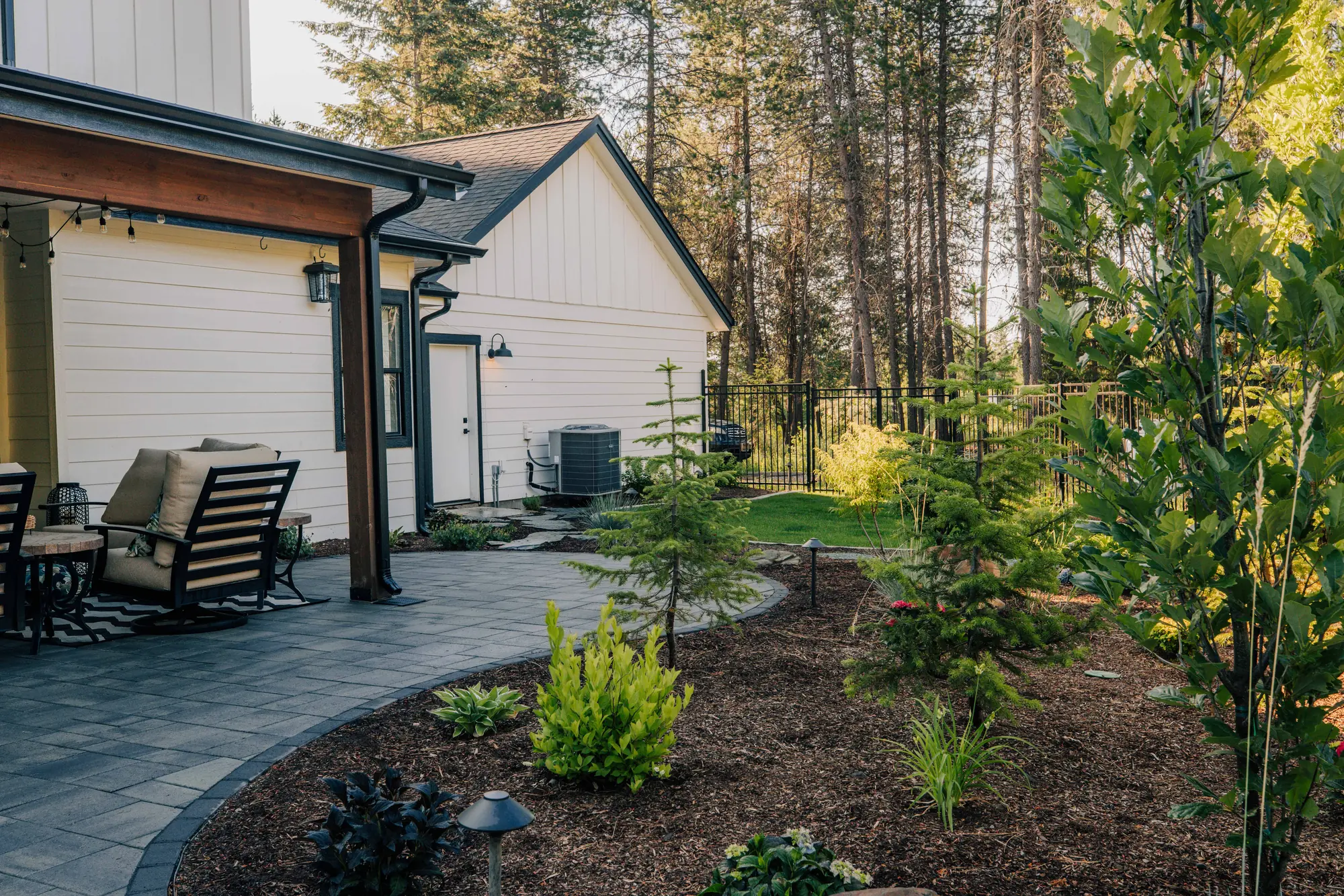
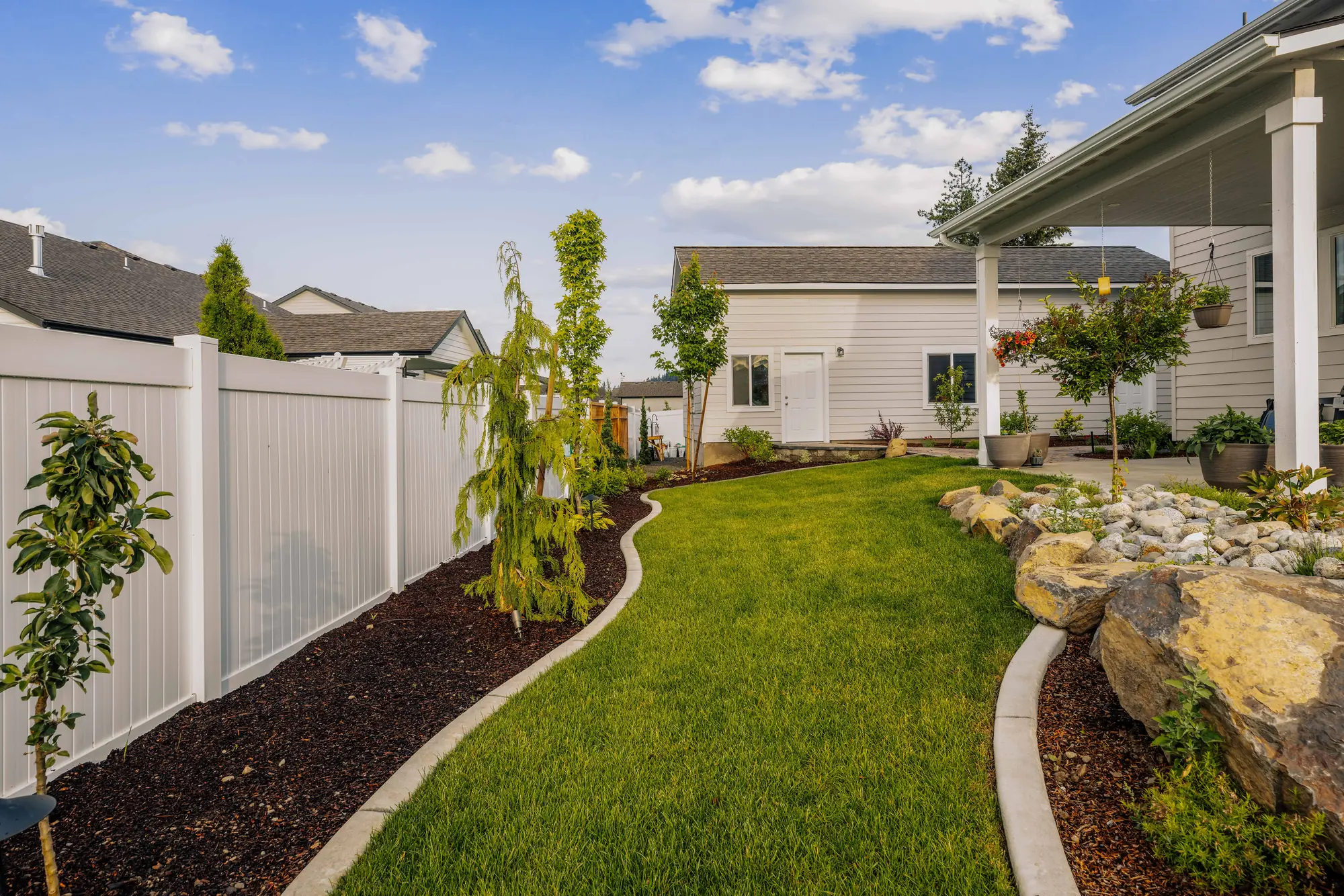
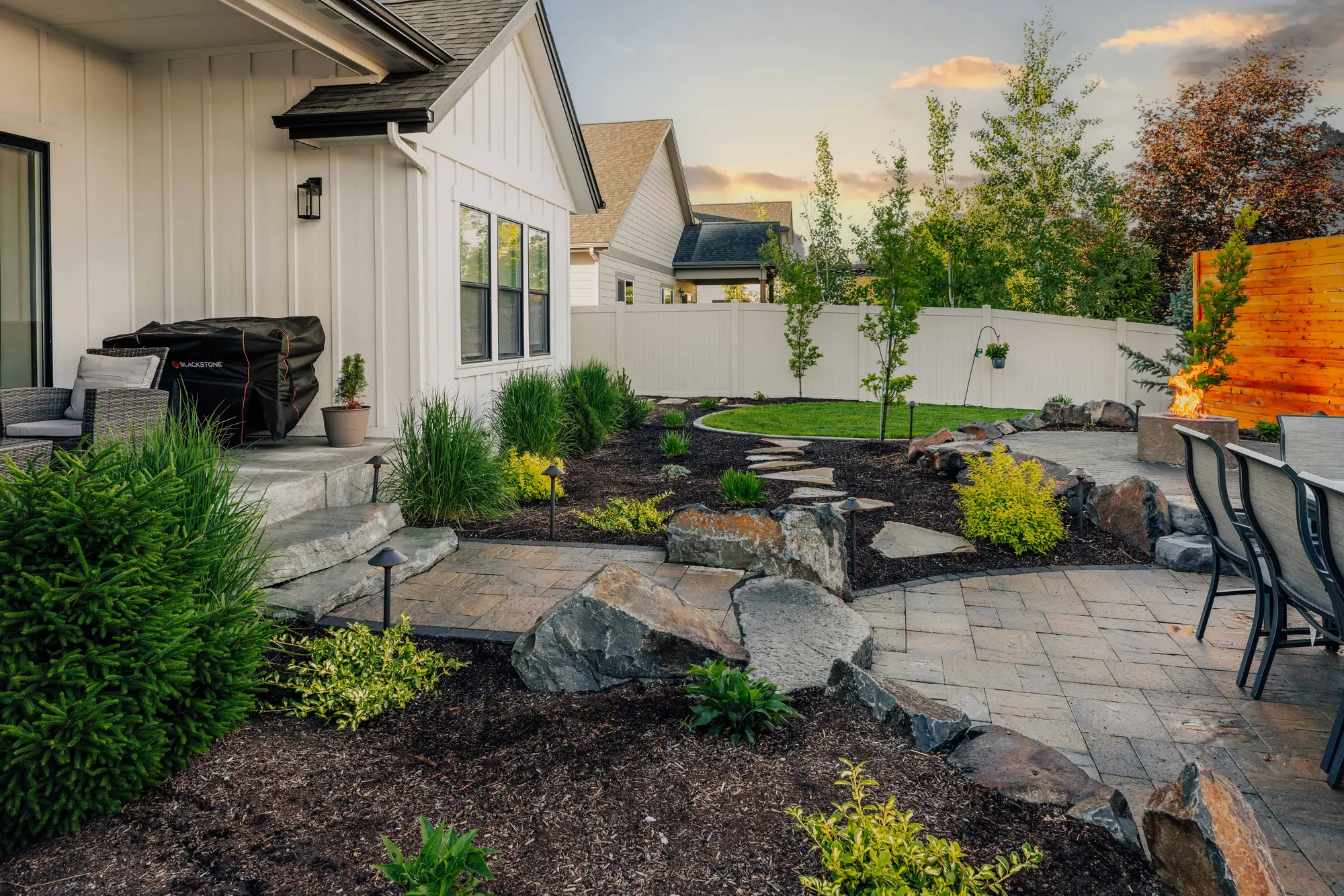
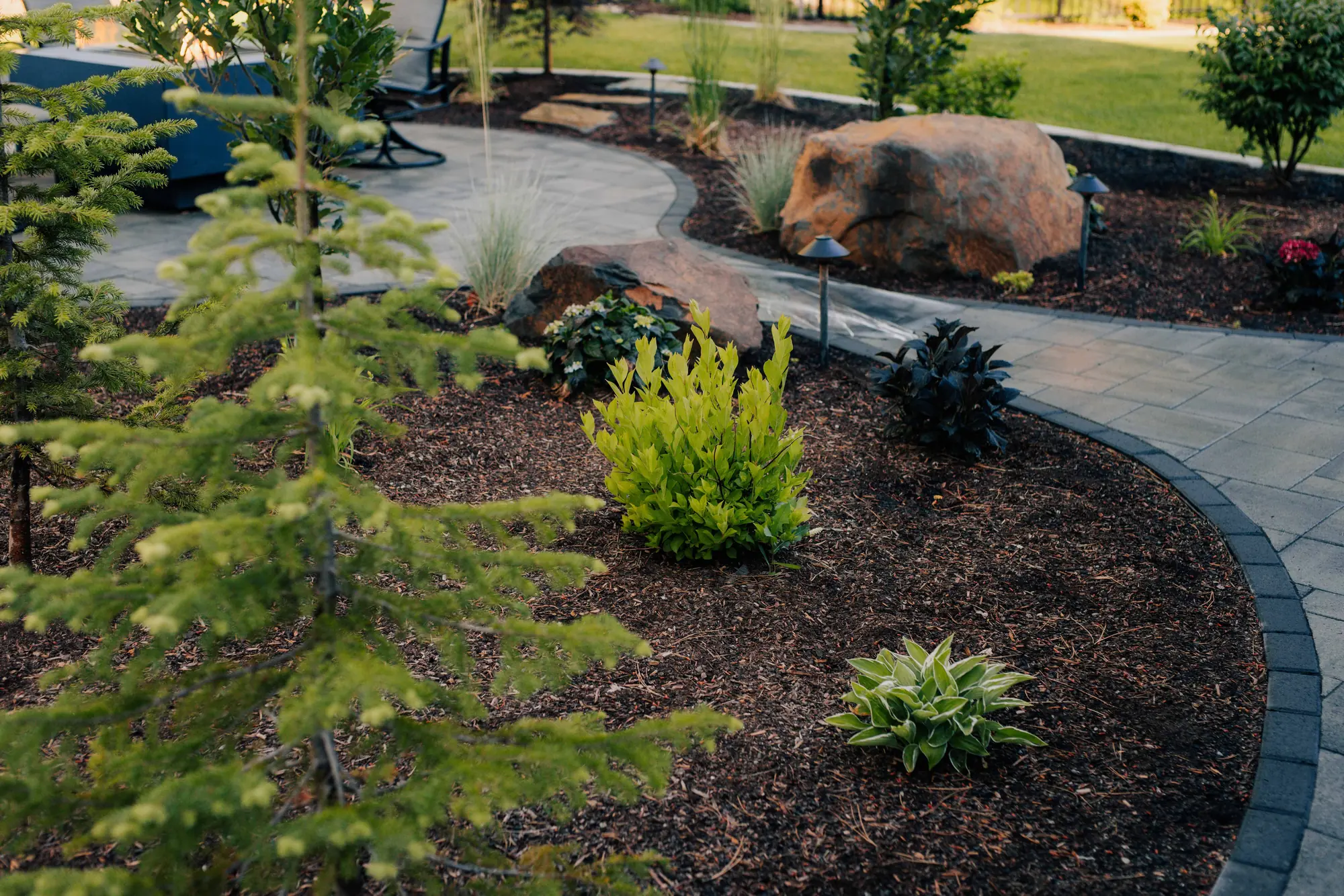
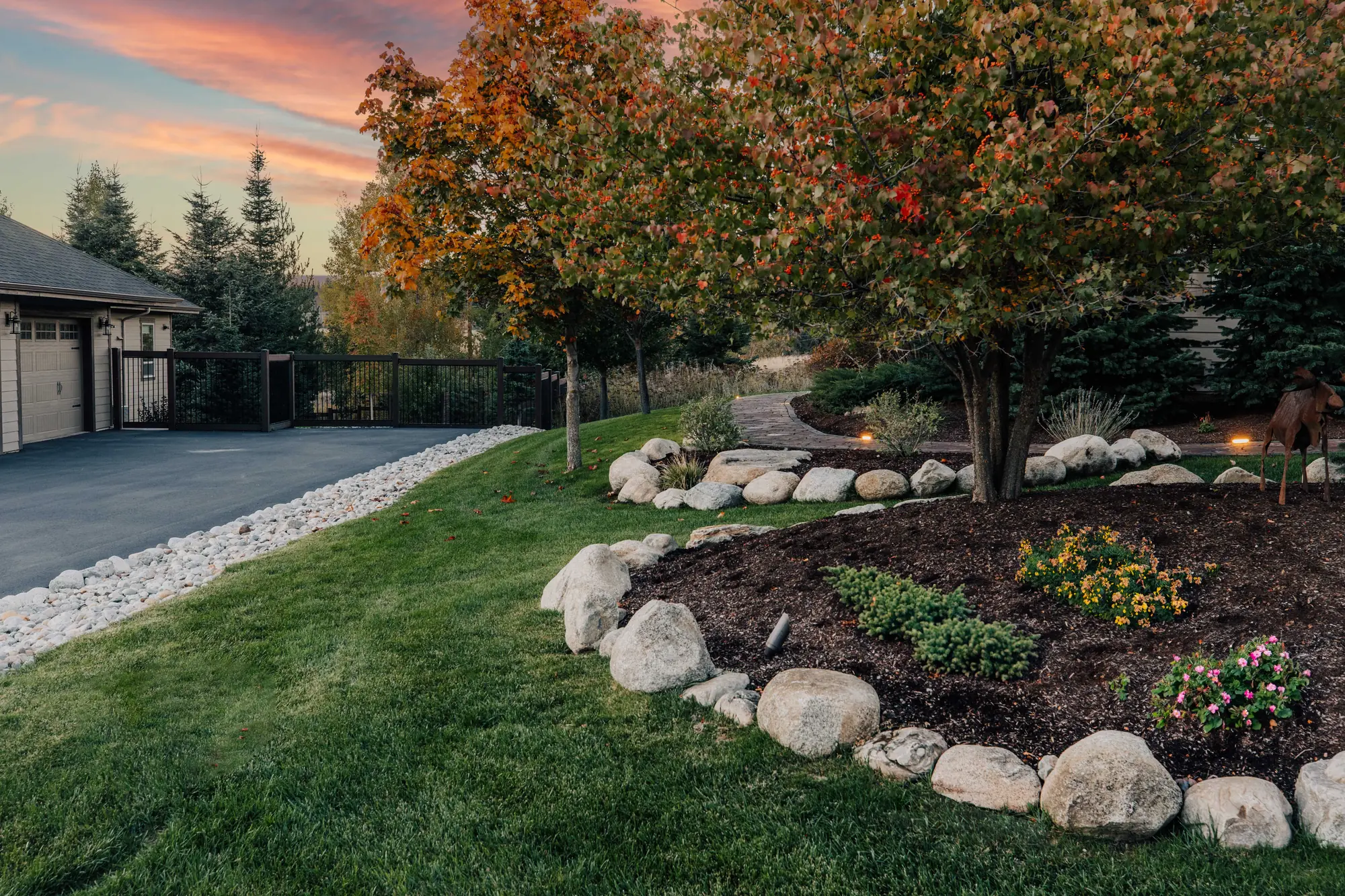
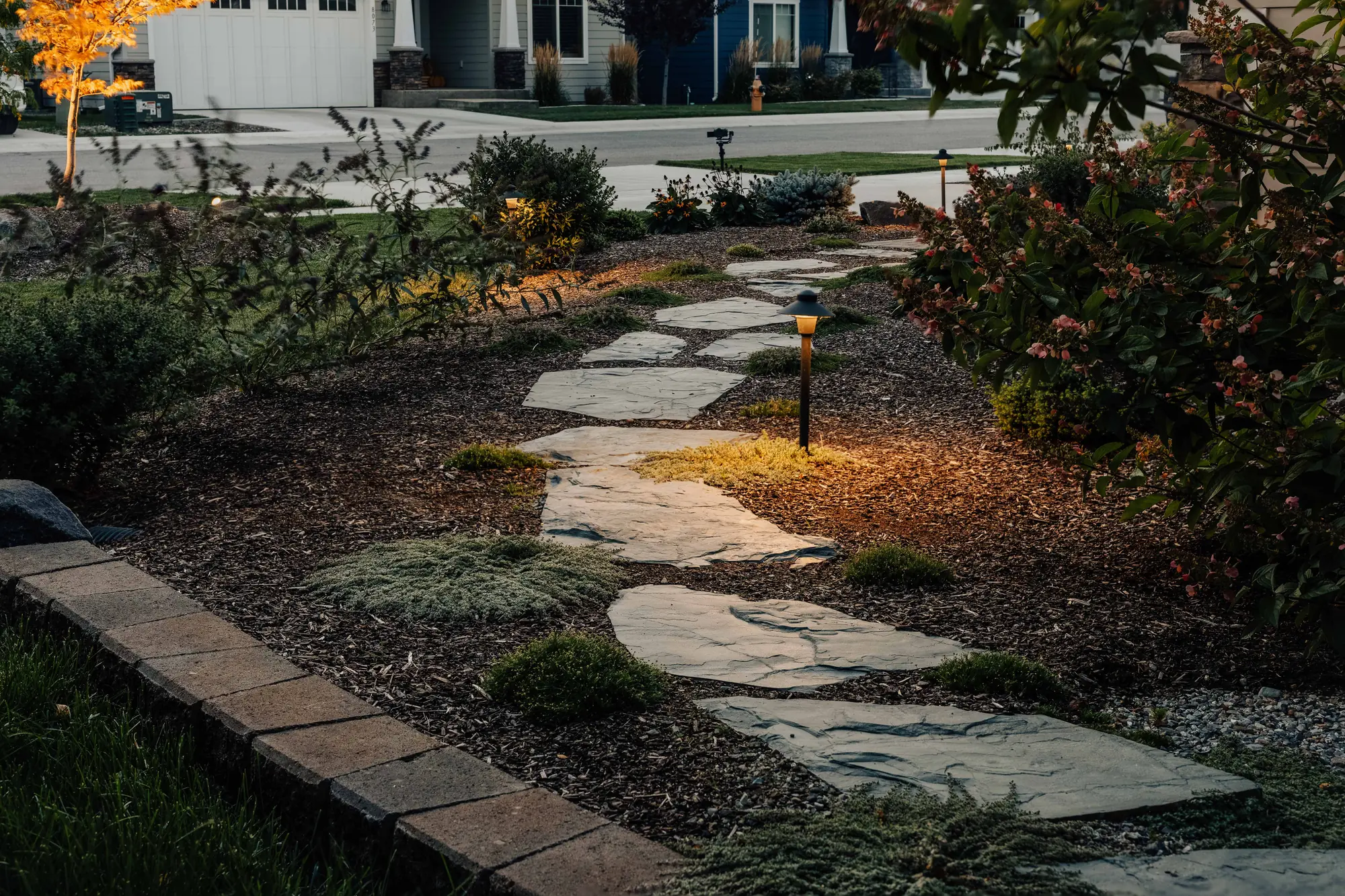
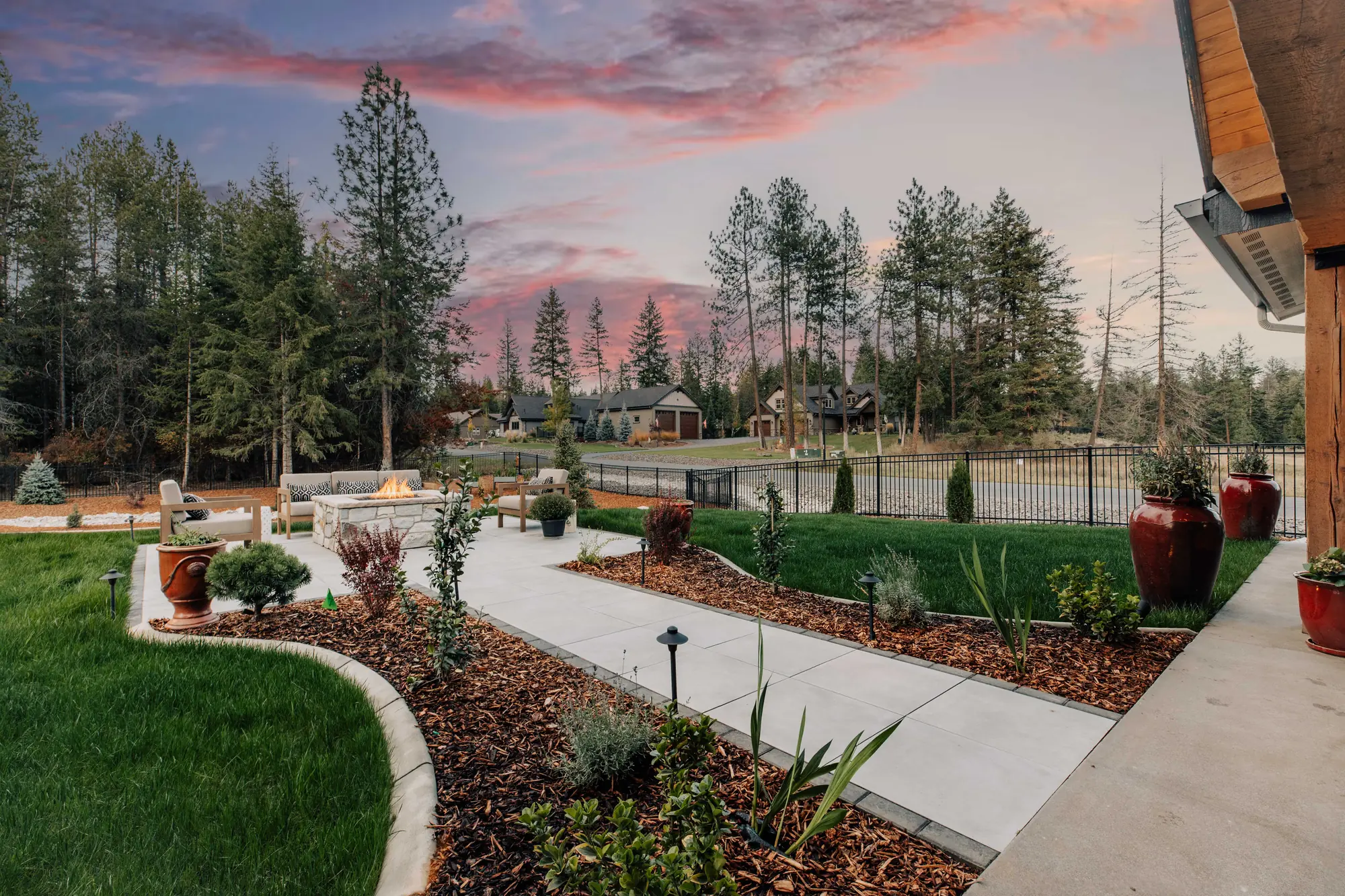
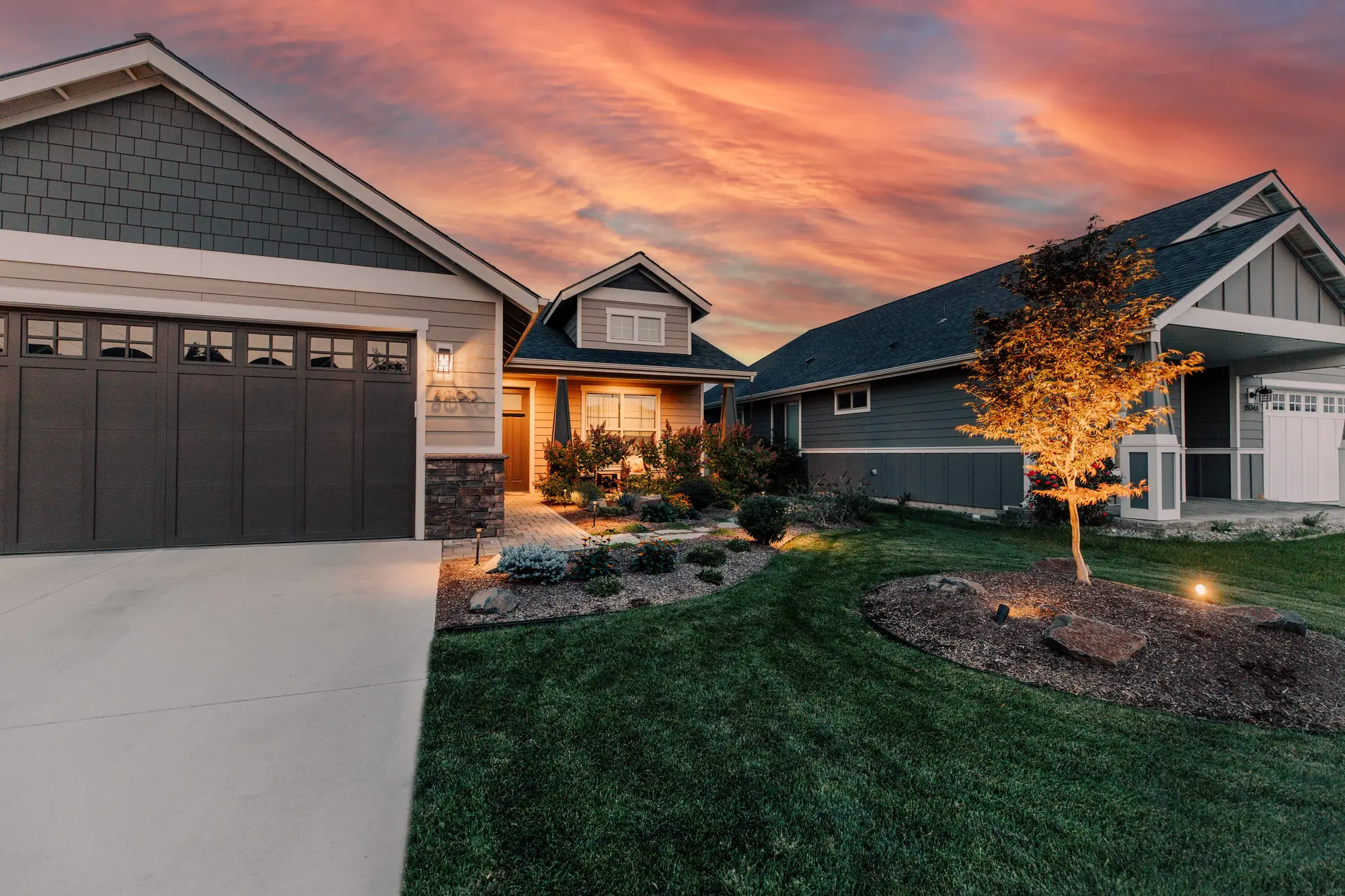
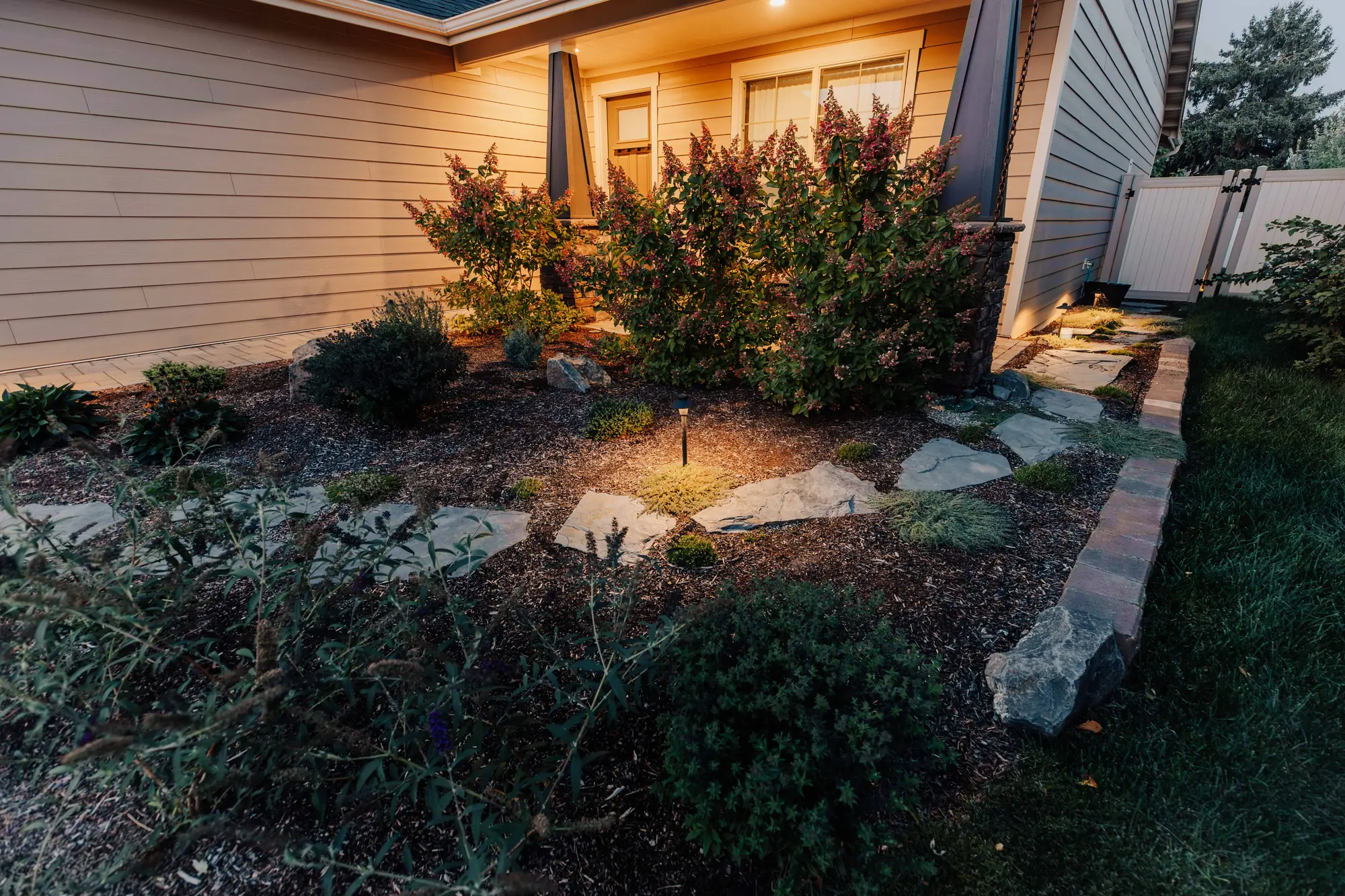
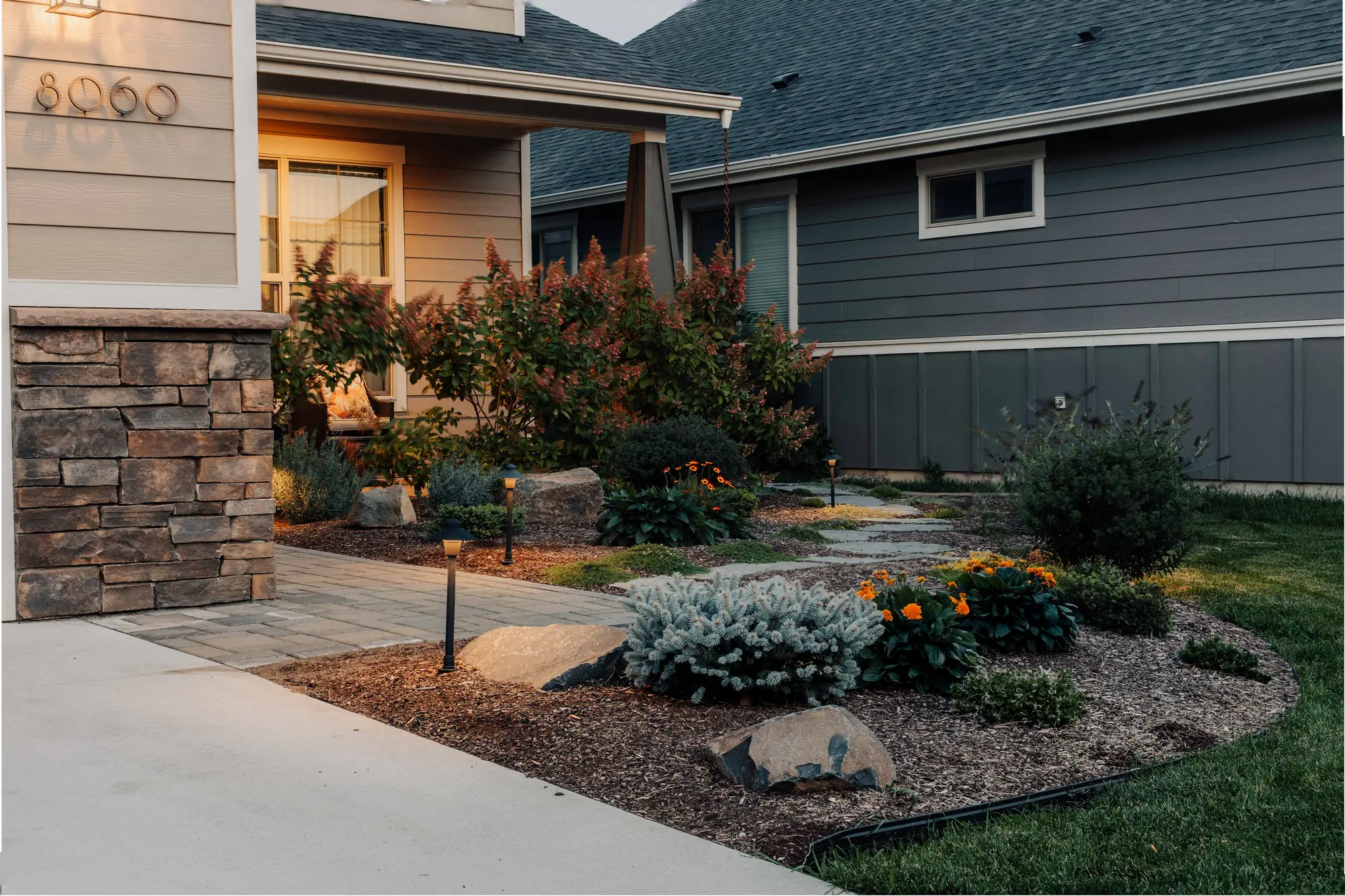
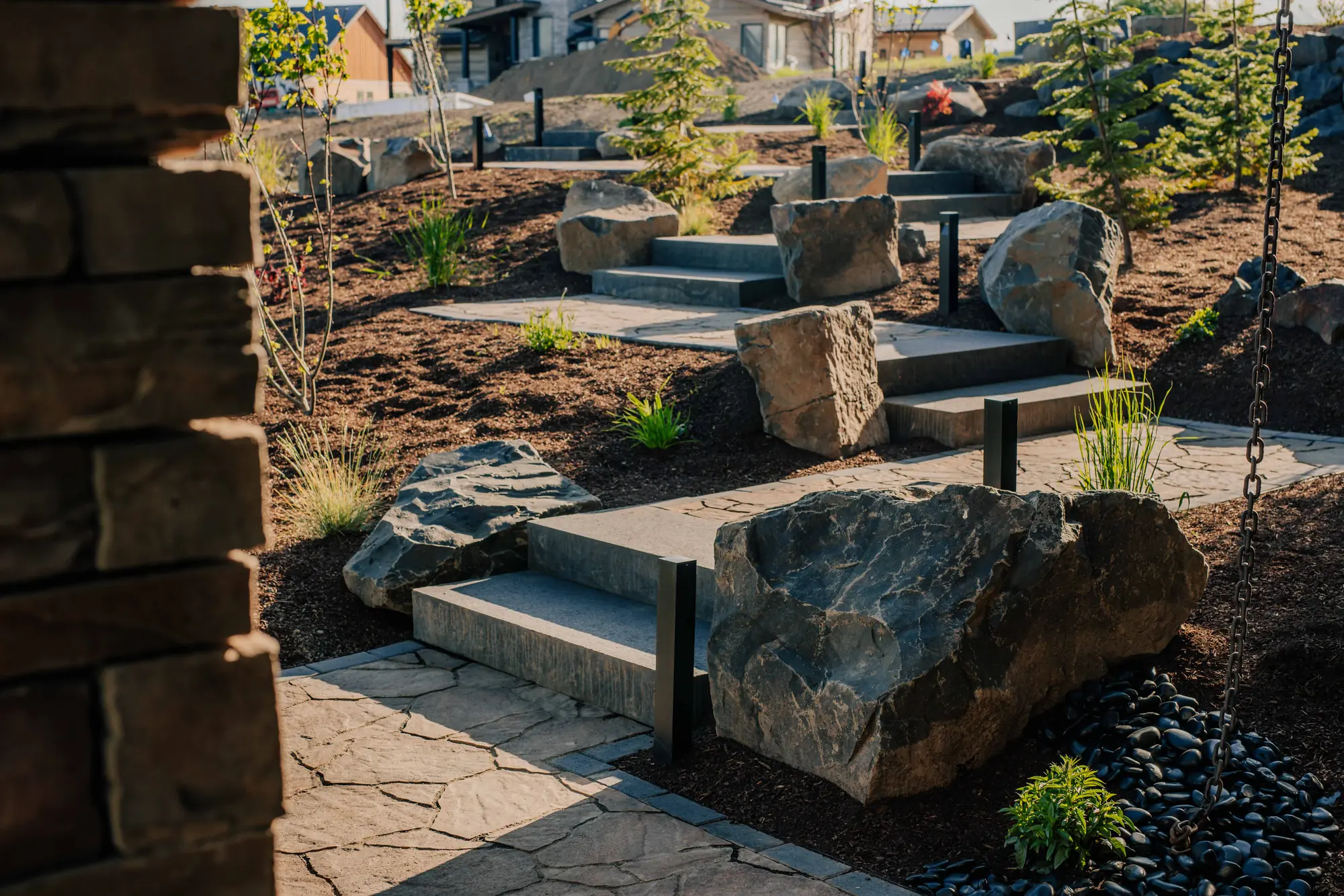
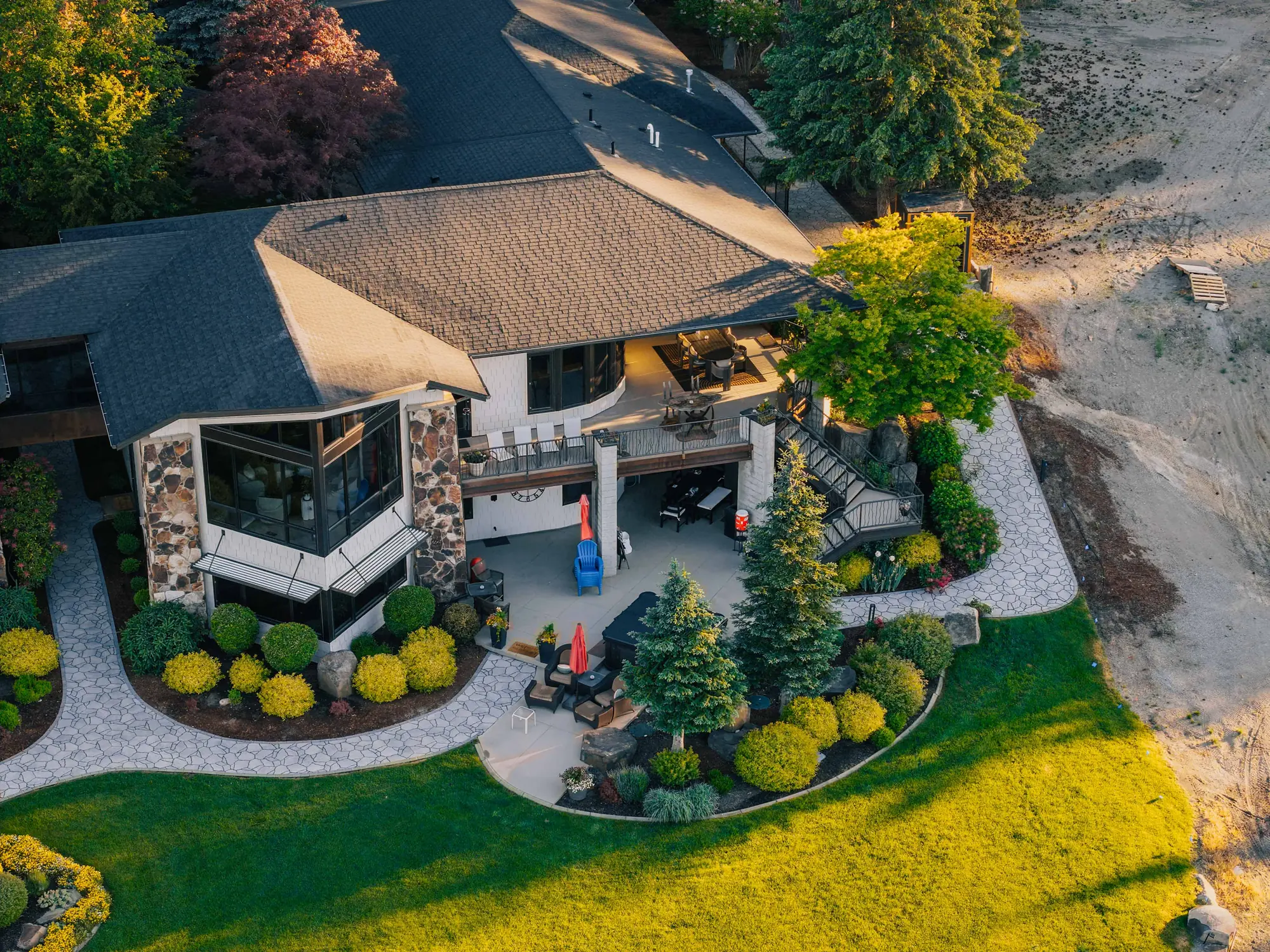
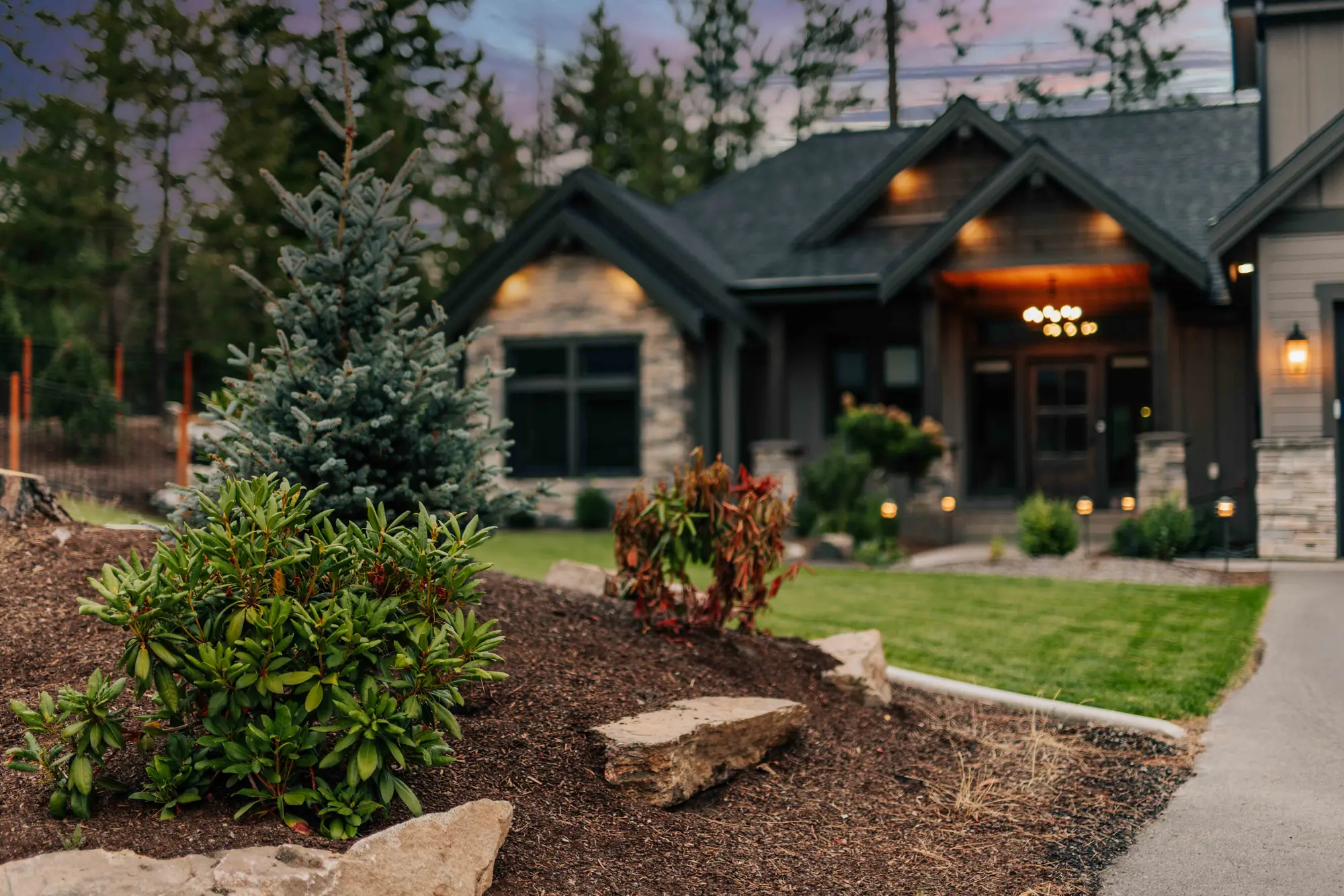
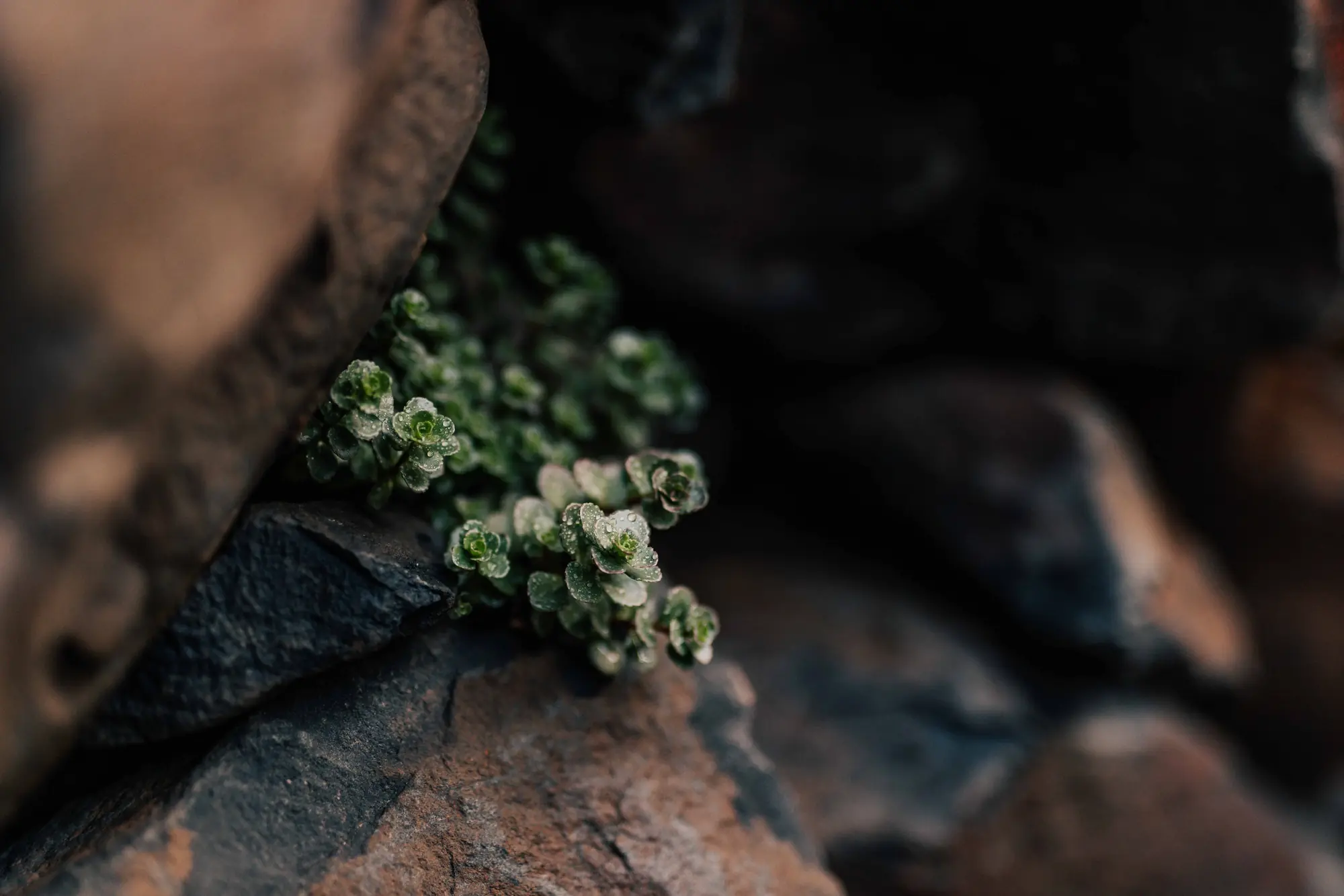
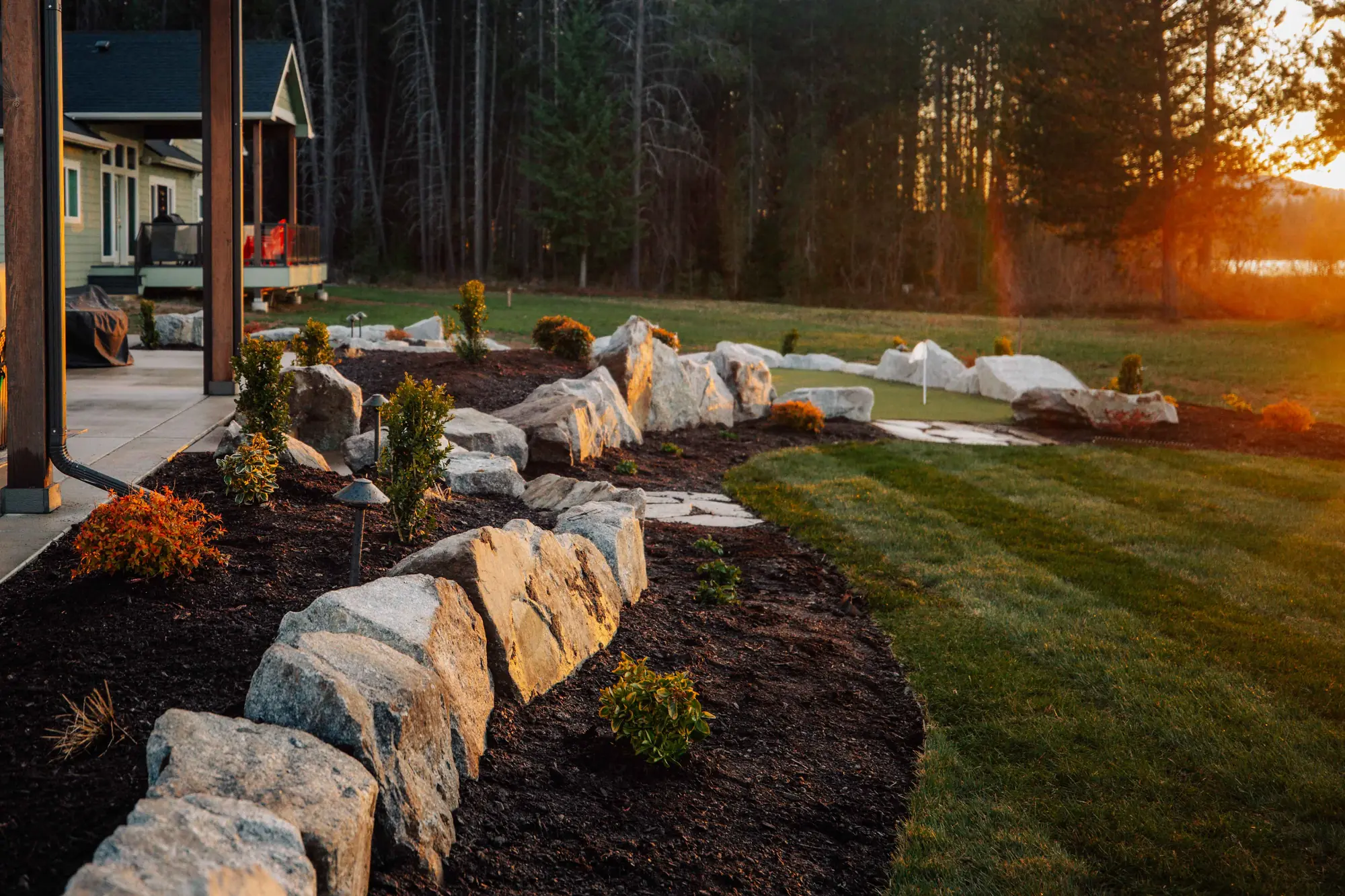
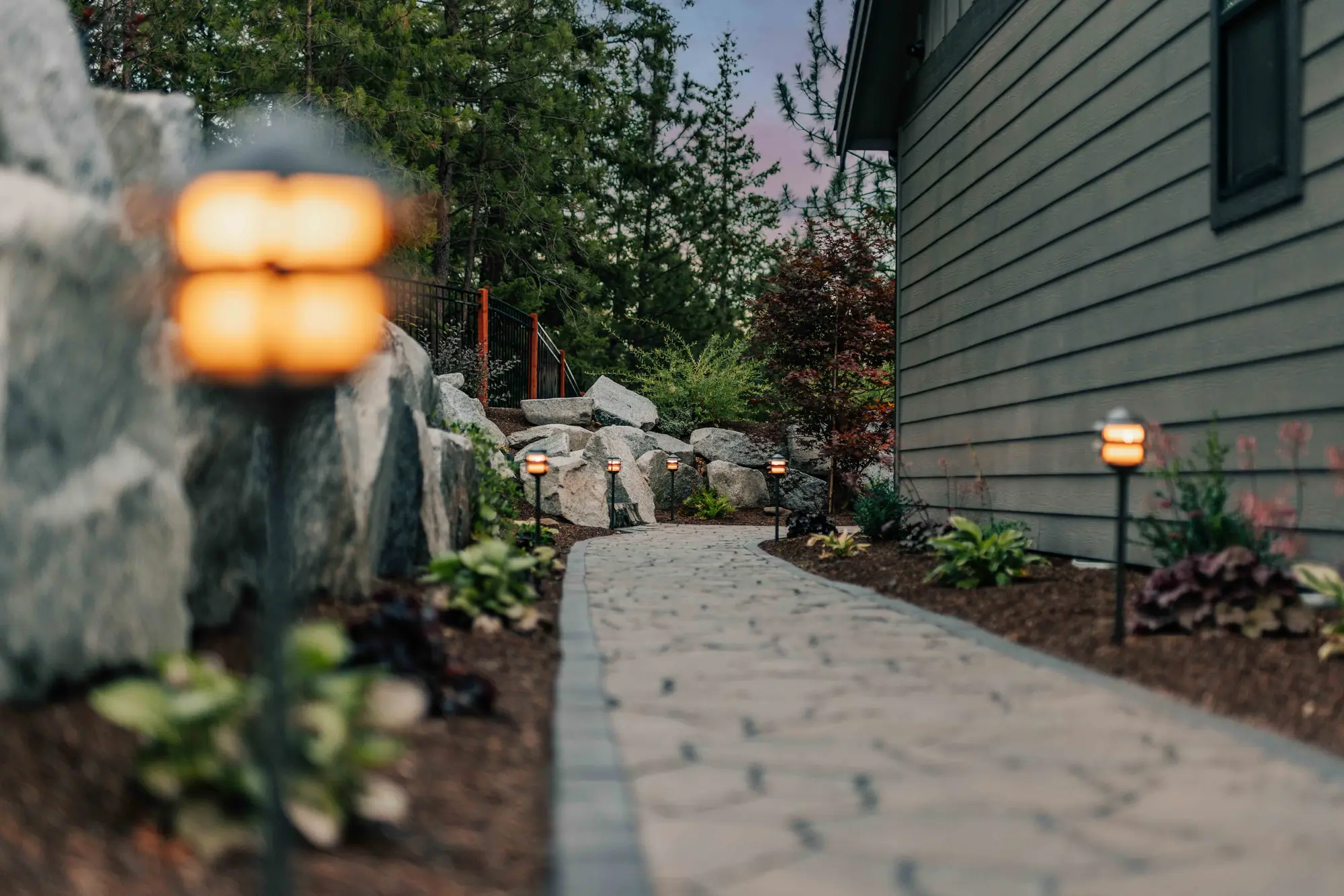
Garden Beds Gallery


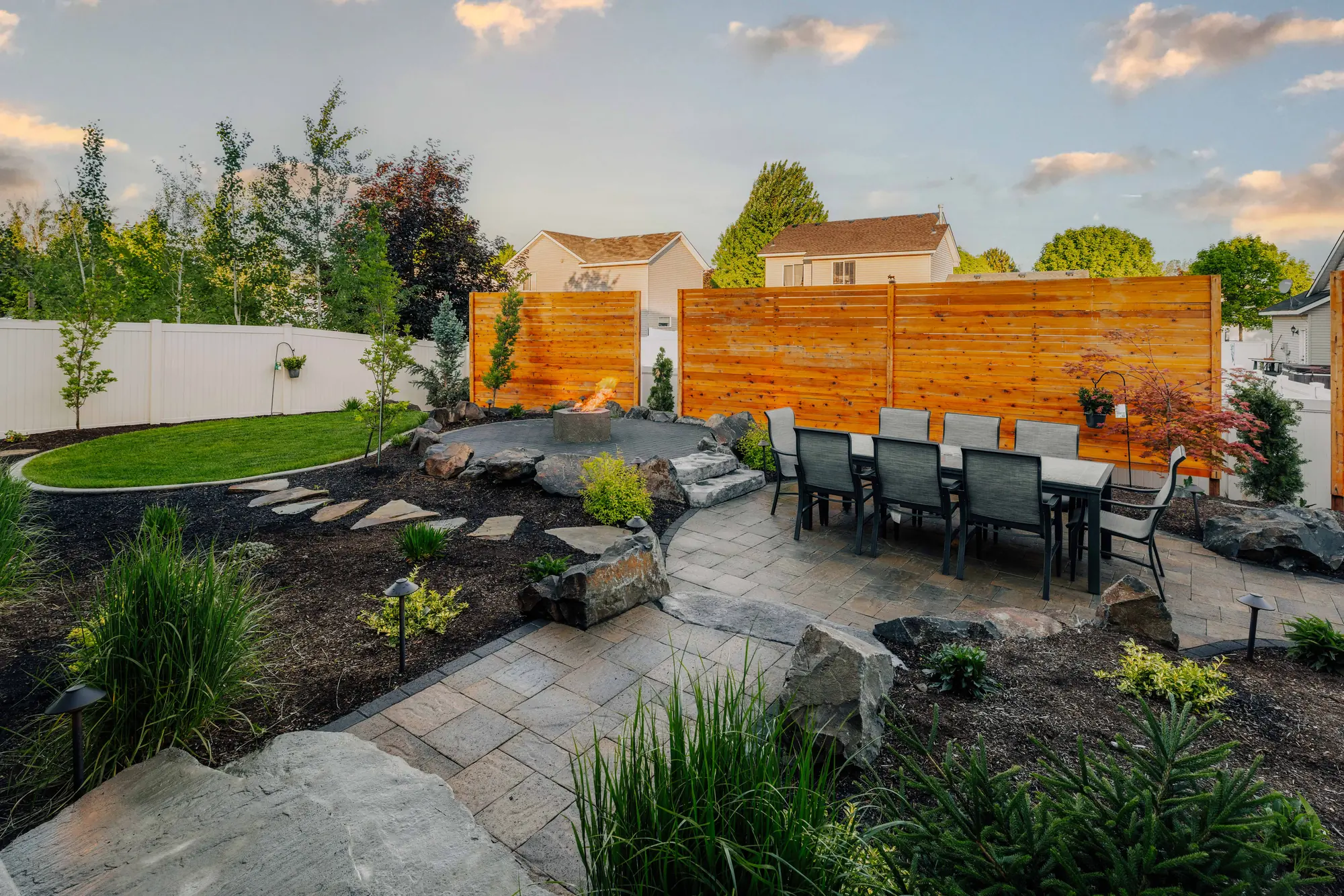
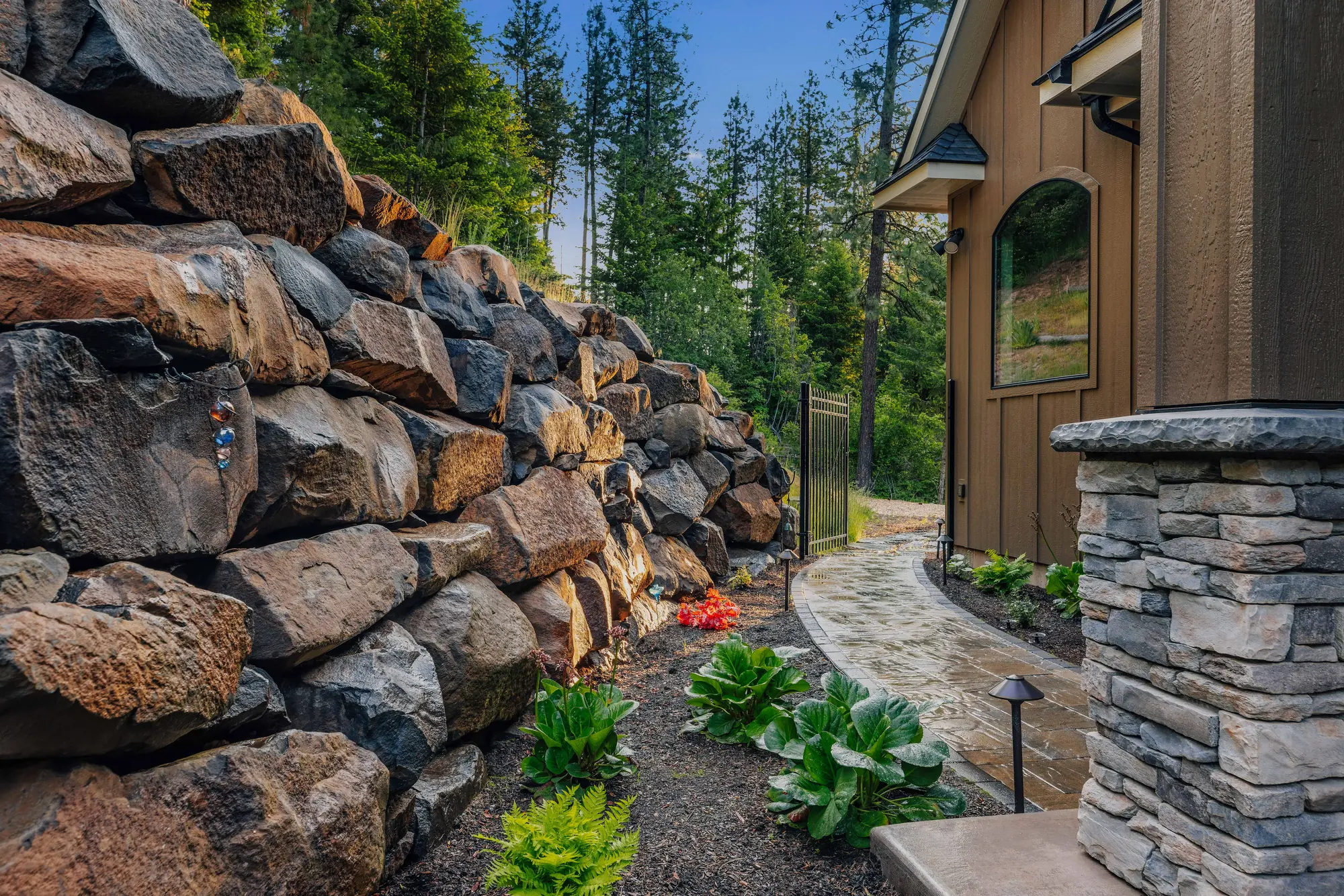
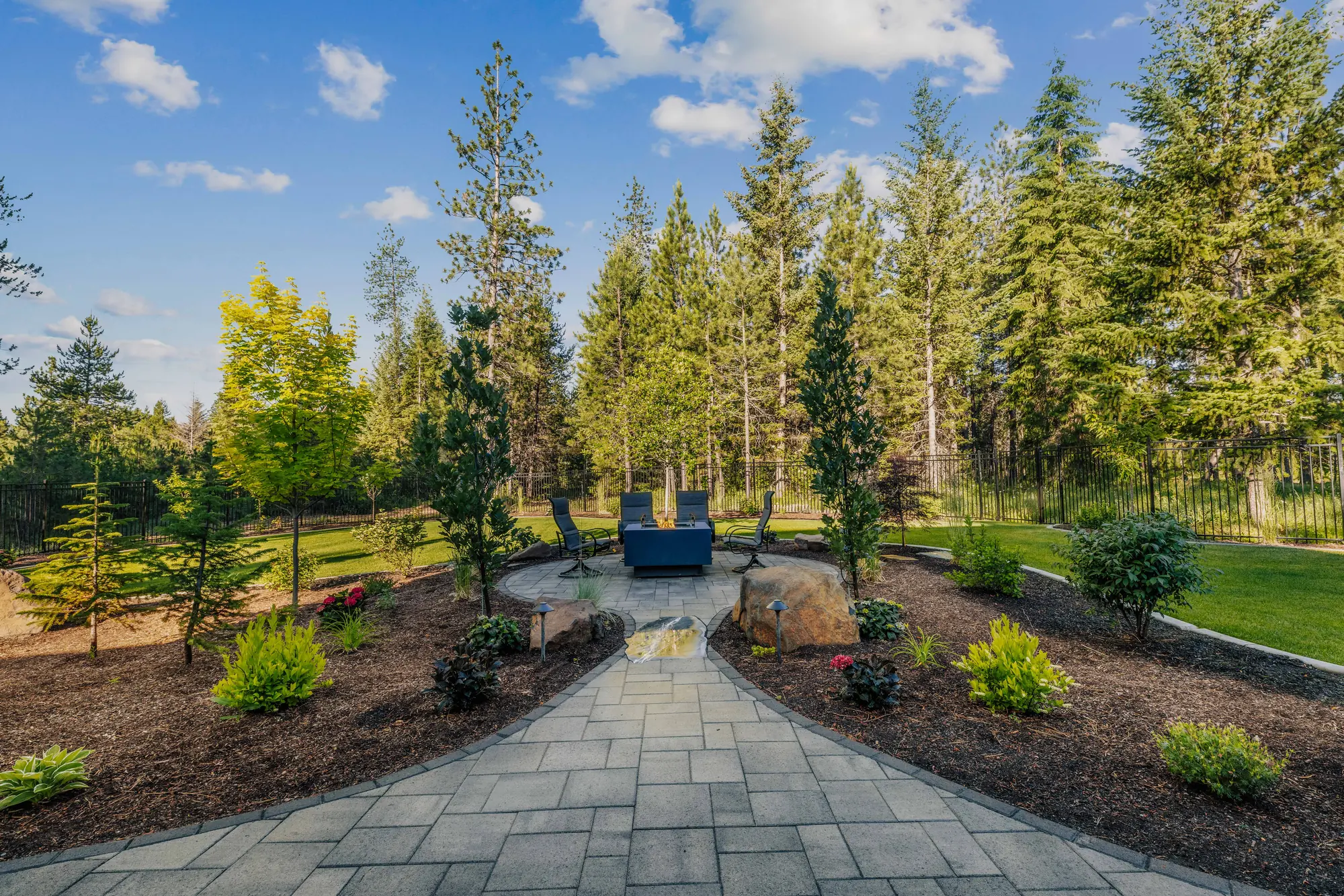
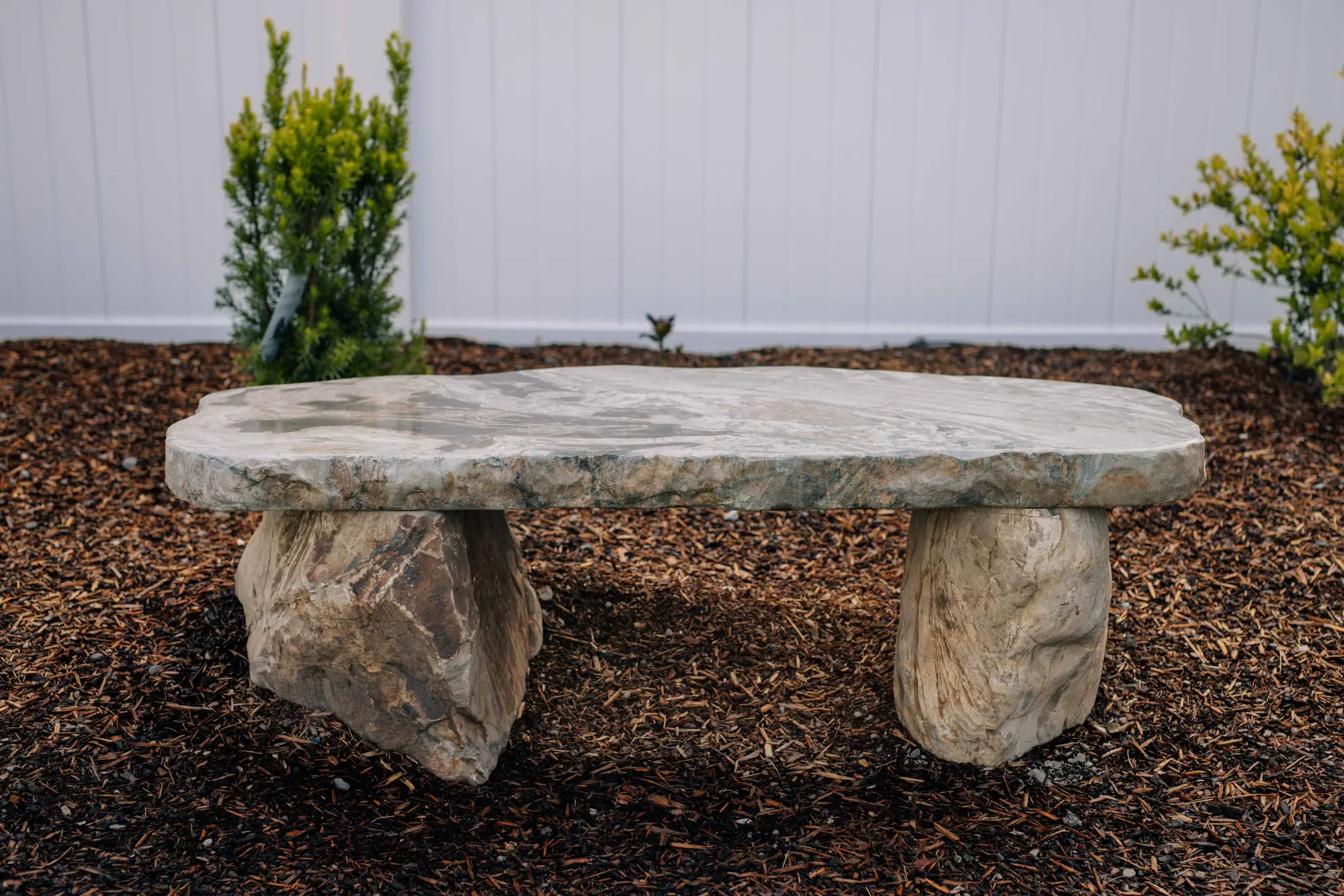





Common Questions
Garden Beds FAQs
What grows well in Spokane garden beds?
Plants hardy in zones 6b and 7a that can take a dry summer. The City's SpokaneScape plant list is a good local starting point, including keystone natives such as Saskatoon serviceberry, creeping Oregon grape and showy milkweed. For a plant, insect or plant problem you can't identify, WSU Extension's Master Gardener Plant Clinic at 222 N. Havana St. will take a look during the growing season.
When is the best time to plant in Spokane?
Spring or fall. Planting then uses natural rain and cooler weather to get roots established before summer drought, as the City's SpokaneScape guide points out. Even drought-tolerant plants need steady water through their first season, then deeper, less frequent watering as they settle in.
Do I need a backflow device for drip irrigation?
On City of Spokane water, any irrigation or sprinkler system needs a testable backflow assembly, such as a double check valve or a pressure vacuum breaker, tested every year by a Washington-certified tester. A hose-bib vacuum breaker does not meet the requirement.
We have a big project, but our budget only allows us to do part of it this year. How do you handle that?
That is not a problem at all. Many of our clients choose to do their landscape project in phases. If we know in the beginning that you would like to phase out your project, we can work with you on the best way to split the design so that it fits your budget for this year, and then plan the second half for next year.
We have some existing materials. Can we use those still if we hire you for the design and construction?
Generally, yes, we are able to use existing materials. Please let us know when you contact us if you have existing materials that you would like to use, and that will help us get an accurate quote for you.
How can I reserve a spot for next year?
We would love to get you on our calendar for next year! The first step would be to contact our office so we can take you through the design process. Once that is completed and you've signed off on the design, we normally request a deposit to reserve your spot with us.
Do you do concrete curbing?
We are a general contractor, so typically we hire subcontractors for certain types of work, which in our case would include concrete curbing. If you have a larger project, we would be happy to talk to you about how we can help coordinate all the work that goes into a complete landscape design so that you don't have to worry about any of that.
My project is small, but I really like your company, and would love to work with you. Do you take on smaller projects?
We do actually have a waiting list of smaller projects, and we would love to hear from you if you would like to work with our company. What we will do is save your information, and in the Fall or off-season if we have openings we will give you a call.
I have no idea what I want yet. Is it worth starting the process now?
Absolutely! Starting now can give you first pick on next year's calendar. If you're not ready to build yet we encourage getting a good design in place so that you can know what to expect. Please give us a call. We would be thrilled to walk you through ideas and concepts - we have lots of ideas!
How far will you travel?
Our main work takes place in Spokane and Kootenai counties. We also work in Bonner's County, ID. If you are in any of the neighboring counties and have a project that you are looking for help with, we would love to hear from you.
What style do you specialize in?
Because we are a custom builder, we have the great joy of adapting to your unique style. Although we recommend plants that are native to the Northwest, all of our builds are customized to your specific dream for the space. Our goal is to bring your ideas to life, the sky is the limit!
What if I don't want to do any maintenance on my yard?
There are so many options that are low maintenance and stay beautifully put together. From rock beds to dark mulch, we would love to talk to you about changing your landscape into something that is easily maintained, whether you are here for the entire year or visit back and forth and are only here part time.
What do your services include?
Great question! Our specialty is in landscape design and build, so generally spaces that benefit from a design in order to ensure that your backyard makeover comes to life exactly as you imagined it. We handle everything from the survey, to drawing up the design and blueprints, to the construction and final install. We do not provide lawn care maintenance, but we are happy to provide referrals.
How long does it take for you to finish a design?
Our typical design phase is approximately two weeks from the day we come take a survey. It can be faster, or longer depending on the size of the space we are designing and how many changes we discuss making along the way. But we will communicate throughout the process and work with you to provide the most efficient and streamlined service possible.
How much do you charge for a consultation?
We offer free in-person consultations, and would love to come to your project location and talk you through your design ideas together and give you a better idea of the scope and budget required to build your dream outdoor space.
We have some design ideas, and/or AI photos of what we are looking for. Do you accept concept photos?
Yes, absolutely! We love when you bring your own designs and concept photos, and encourage you to share those with us during the process so we can collaborate and bring our unique human touch and expertise to your ideas.
Do you have any spots left in the year 2026?
Yes! We have a limited few spots left. We fill up our spots on a first-come first-serve basis, and things can change quickly so we recommend that you call our office at (509) 352-3433 as we would love to hear about your project!
Also Known As
What People
Call This
- Foundation Planting
- Drip Irrigation Installation
- Landscape Bed Edging
- Raised Garden Beds
- Garden Design
- Mulch Installation
- Tree and Shrub Installation
- Native Plant Landscaping
- Perennial Garden Design
- Landscape Planting
- Garden Bed Installation
- Planting Design
- Planter Beds
- Flower Beds
Keep Exploring
More Design + Build
Next Step
Build Your
Garden Beds
One crew from excavation to final install.